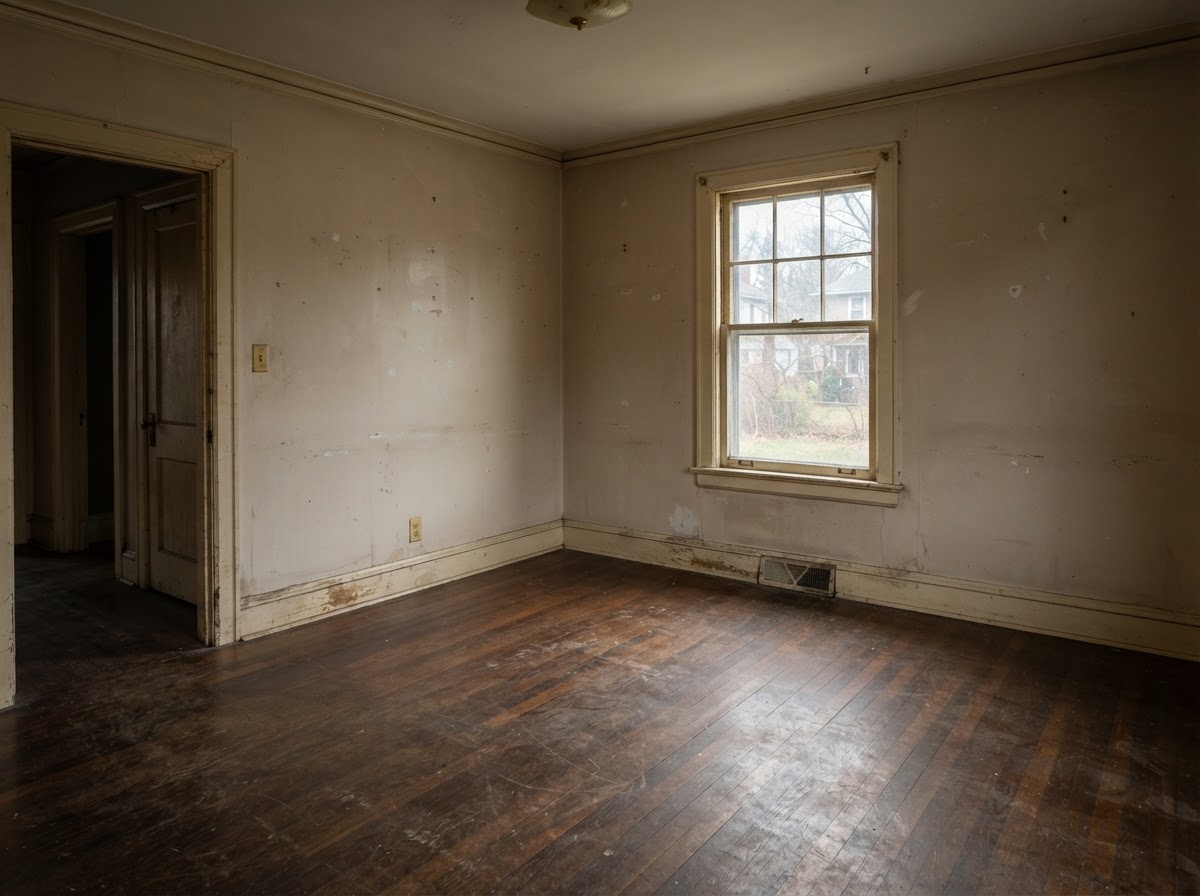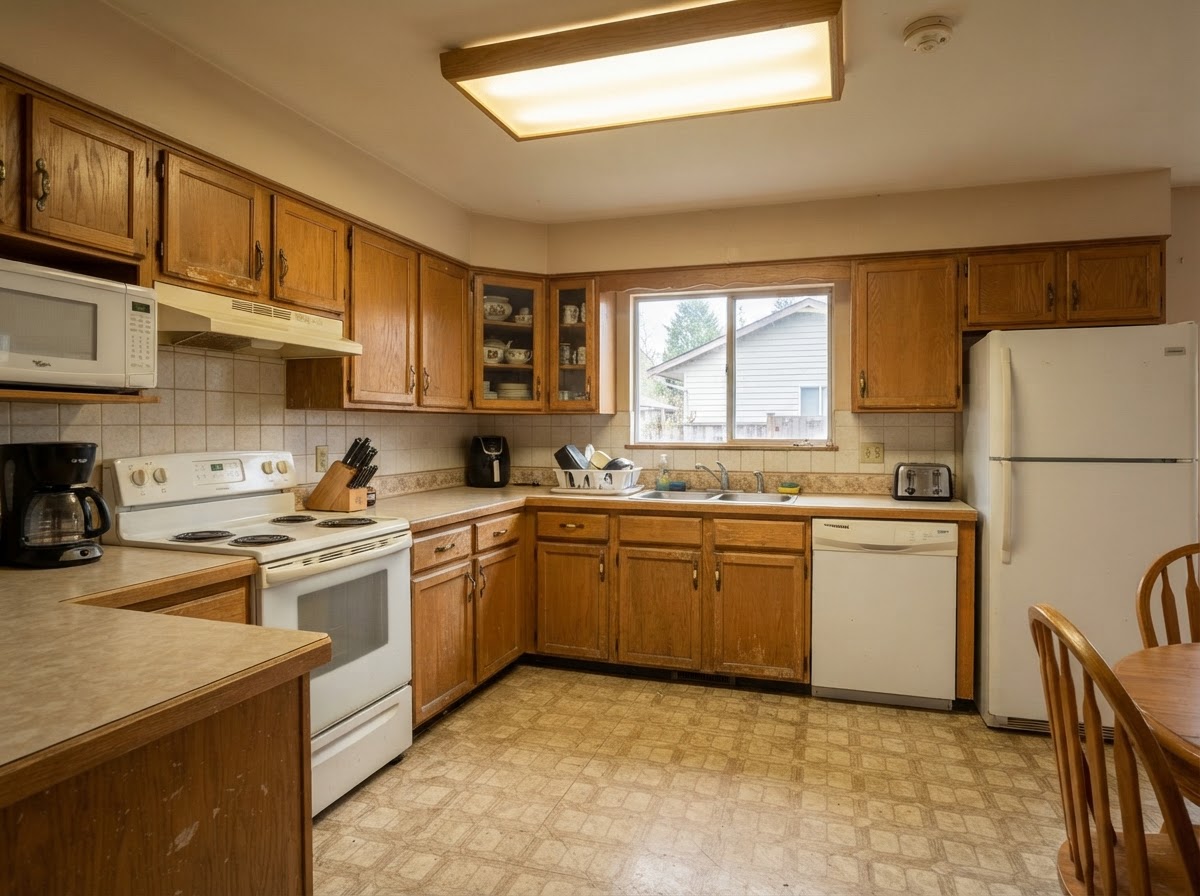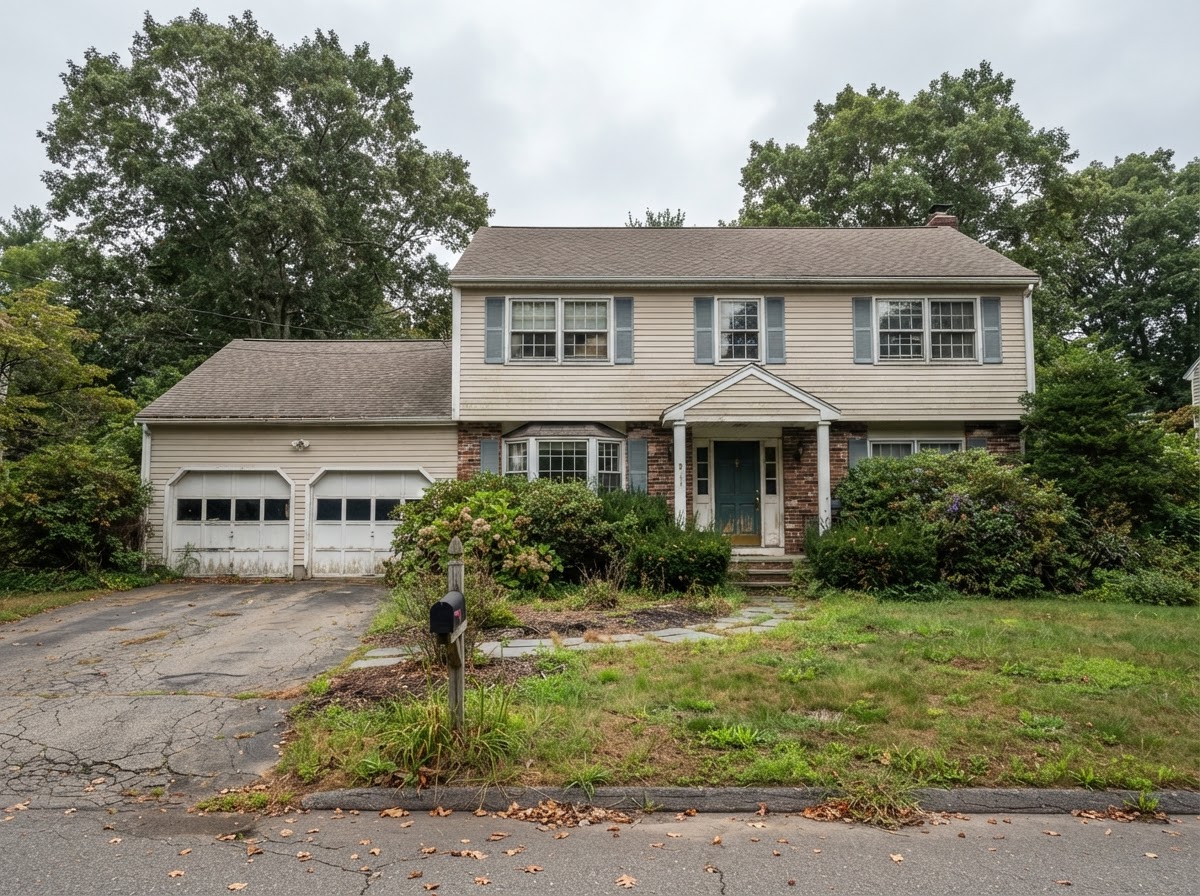
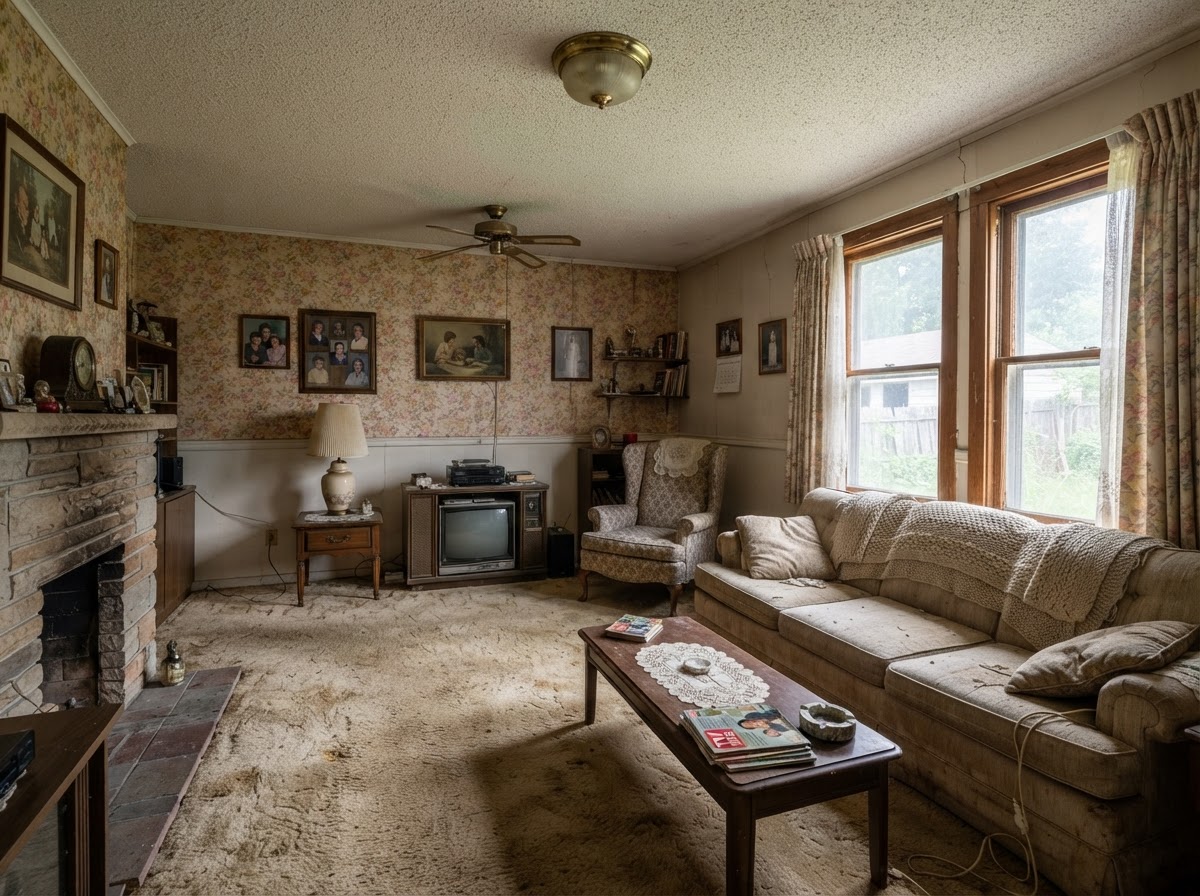
Inheriting a house sounds like a windfall until you are the one staring at decades of deferred maintenance, a probate filing, and three siblings who all have opinions. This is one of the most common situations we work with, and it is entirely manageable. Here is how it tends to go.
1. Figure out whether probate is required
If the property was not held in a trust and there is no transfer-on-death deed, the house likely passes through the Register of Wills in the county where the deceased lived. Delaware, Maryland, and Pennsylvania each have a small-estate shortcut for lower-value estates that can shorten this considerably. You do not have to wait for probate to fully close to talk to us about a sale.
2. Get the house secured and insured
If it is sitting vacant, change the locks, keep the heat above 50 in winter so pipes do not burst, and maintain an insurance policy. An empty house is a liability, not an asset, the longer it sits.
3. Decide: keep, rent, or sell
- Keep it: only if you have a plan for the upkeep and the family agrees on ownership.
- Rent it: possible, but you become a long-distance landlord with all the calls that brings.
- Sell it as-is: the cleanest exit, especially when the estate needs to be divided among heirs.
4. Selling through the estate
We can work with the estate's personal representative and coordinate with the title company to close once the court grants authority to sell. You do not need to empty the house first. Leave the furniture, the tools, the boxes in the attic. We take it all.
What about capital gains?
Inherited property generally receives a stepped-up basis to the fair market value at the date of death, which often means little to no capital gains tax on the sale itself. This is general information, not tax advice, so confirm with a CPA for your situation.